Agro Shade Nets: A Farmer’s Shield against Rising Temperatures.
Due to global warming, there will always be temperature fluctuations worldwide, and farmers may face difficulties protecting their crops. It could happen that crop yields could suffer due to higher temperatures, bright sunshine, and lack of moisture. In such a scenario, agro shade nets prove to be highly effective and economical methods to protect crops.
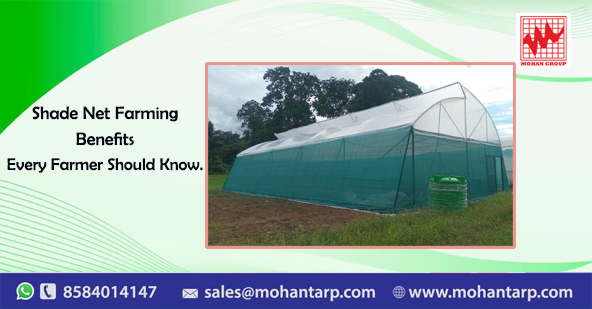
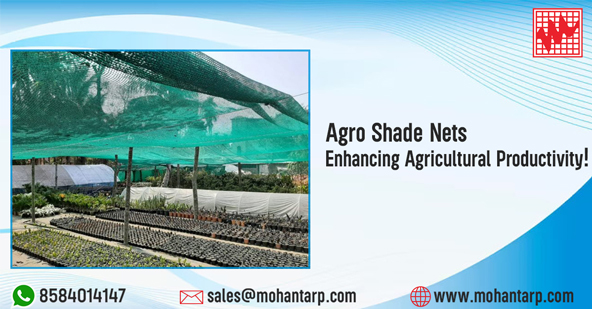
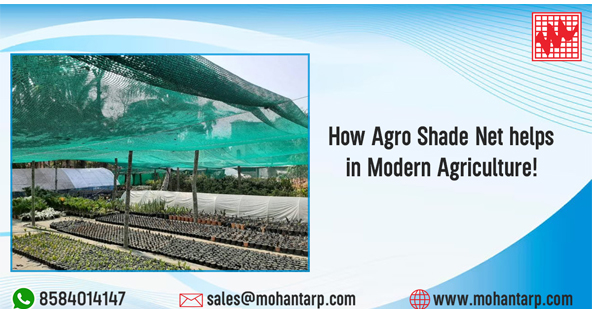
Agro shade nets are created by weaving HDPE threads into a durable, flexible net structure. The use of the agro shade nets is for regulating the levels of light, temperature, and humidity in the environment for crop production.
Agro shade nets come in different shading capacities: 35%, 50%, 75%, and 90%.
Advantages of Using Agro Shade Nets in Hot Climates
-
Temperature Regulation
Shade nets limit direct exposure to sunlight, bringing down temperatures in the region where the vegetation is located.
-
Protection from Intense Solar Light
Too much exposure to solar energy causes damage. Shade nets block out the excessive rays while still allowing adequate light for photosynthesis.
-
Conserves Water
Shade nets minimize evaporation in the area, resulting in more efficient water usage.
-
Increased Productivity and Quality
Plants cultivated using shade nets produce fruits or vegetables that are more nutritious in both quality and quantity.
-
External Environmental Elements
Apart from heat, agro shade nets provide protection against Wind, Rain, Pests, and birds.
Applications of Agro Shade Nets
- Nurseries and plant propagation
- Vegetable farming (tomato, capsicum, cucumber)
- Floriculture (roses, orchids, gerbera)
- Fruit crops
- Greenhouse and polyhouse farming
Agricultural shade nets features
- High Density Polyethylene (HDPE).
- UV Stabilizers
- Green, White, Black appearance
- High Density Polyethylene (HDPE).
- Durable
- Easy to Install
The Selection of Suitable Shade Netting
It becomes necessary to select suitable shade netting to derive the best possible results. The selection is based on the following:
- Required shade percentage considering crops
- Color of the shade netting (green, black, white, etc.)
- UV treatment for durability
- Local climatic conditions
Example:
Shade 35-50% for raising vegetables
Shade 75-90% for raising nurseries
Due to the rise in temperatures, there is no other choice but to adopt modern techniques in farming. The use of shade nets in agriculture proves to be a viable option that safeguards plants and conserves energy.
The installation of shade nets would be quite helpful for the farmer trying to safeguard his produce from extreme weather conditions, ensuring that agriculture remains productive despite harsh climatic conditions.